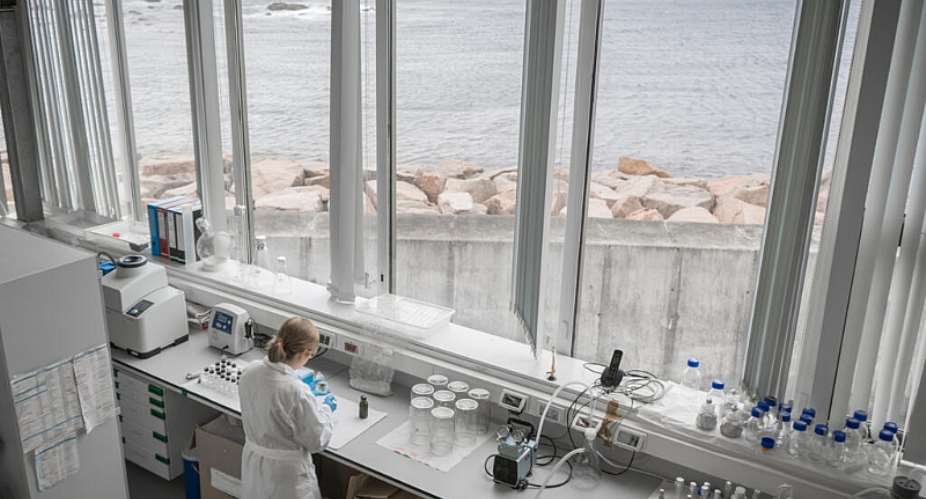
Abstract: As climate change alters ocean chemistry faster than species can adapt, marine scientists are turning to cryogenic biobanks as both a biological record and an ecological insurance policy. While maintaining living cultures in lab bottles allows organisms to continuously adapt and evolve away from their natural state, ultra-low temperature cryopreservation literally “stops time”. By locking gametes, microalgae, and tissue samples in liquid nitrogen tanks at sub-zero temperatures, researchers preserve exact genetic snapshots of marine organisms as they existed in the wild, safeguarding biodiversity against rising ocean temperatures.
This frozen archive is moving directly into active ecosystem restoration through breakthroughs like “coral IVF”. In regions where coral populations have become too sparse to fertilise naturally, scientists are using cryopreserved sperm and heat-resilient algae to cross-breed and reseed dying reefs in the Caribbean and Pacific. However, marine biobanking also introduces complex questions around preserving entire symbiotic microbiomes rather than isolated species, while navigating ethical rights and indigenous connections to “sea country” when living heritage is stored hundreds of miles away in a freezer.
Read the full article here: https://www.modernghana.com/news/1505970/marine-biobanks-the-science-of-stopping-time.html