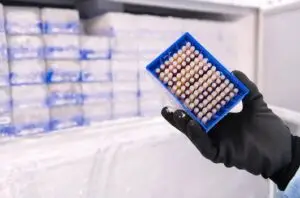
Abstract: Biobanking offers a beautiful promise: healing through science and preserving the essence of humanity. However, as researcher Fransiscus Nanga Roka argues, this promise is being threatened by a “legal vacuum.” Today’s biobanks don’t just store tissue; they store the blueprints of who we are and who we might become. Without strict global regulations, this deeply personal data is at risk of becoming a tool for genetic surveillance or commercial plunder. When individuals give “broad consent,” they are often signing away their most private information to unknown actors for unknown purposes, losing control over data that, unlike a password, can never be changed.
The path forward isn’t about stopping scientific progress, but about redefining its ethical boundaries. We need a shift toward “rights-based frameworks” where transparency and accountability are non-negotiable. Data owners should have a say in how their samples are shared or monetized, ensuring that altruistic donations aren’t transformed into exclusive corporate profits. By treating genetic data as a part of the human person rather than just a commodity, we can ensure that biobanking remains a tool for health rather than a silent system of observation and control.
Get the full article here: https://www.opinionnigeria.com/biobanks-without-boundaries-the-legal-vacuum-in-the-age-of-genetic-surveillance-by-fransiscus-nanga-roka/